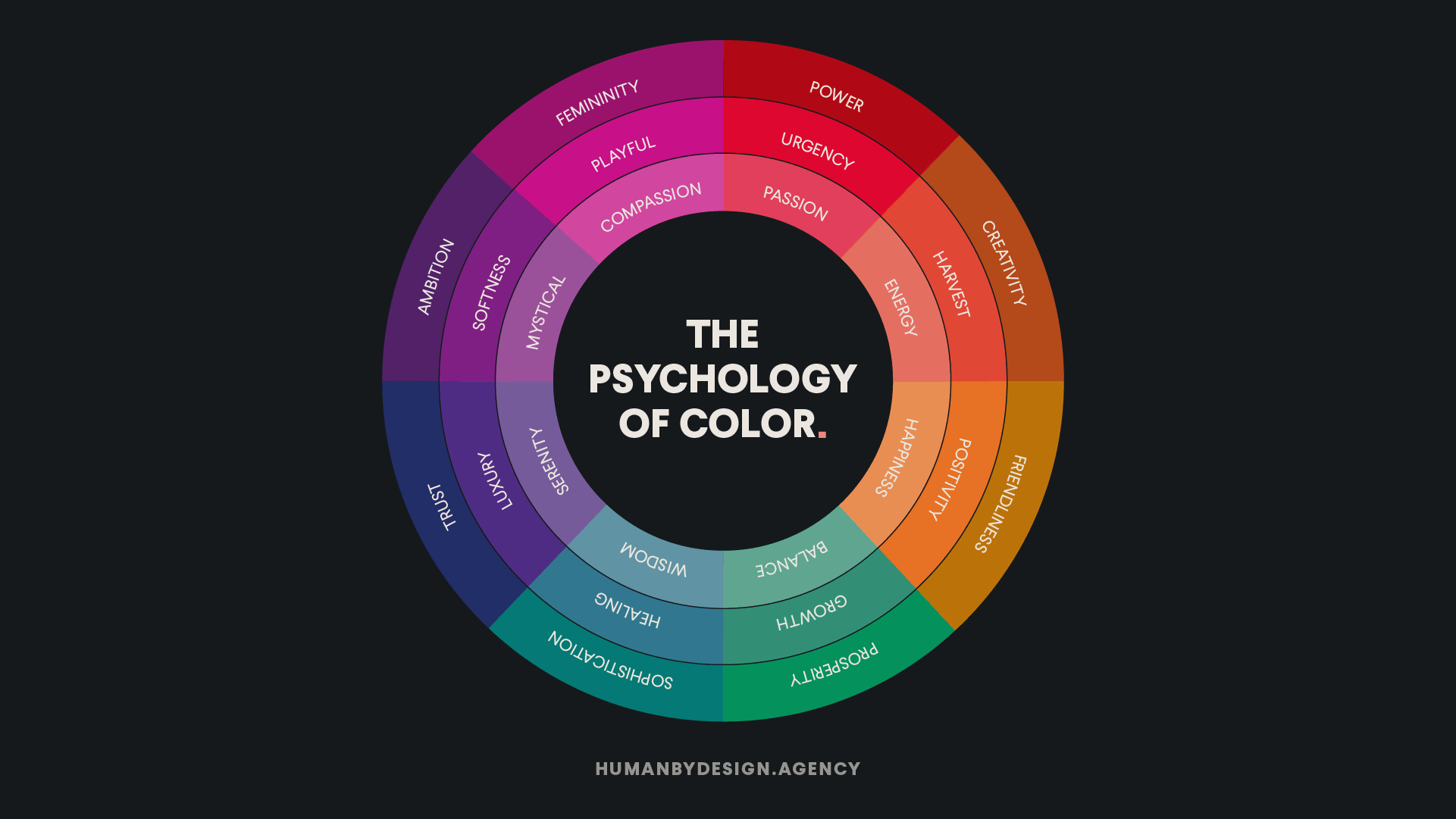
In my client work, I don’t just pick colors based on personal preferences or what looks good, but what’s right for the strategy, audience, and the brand’s tone.
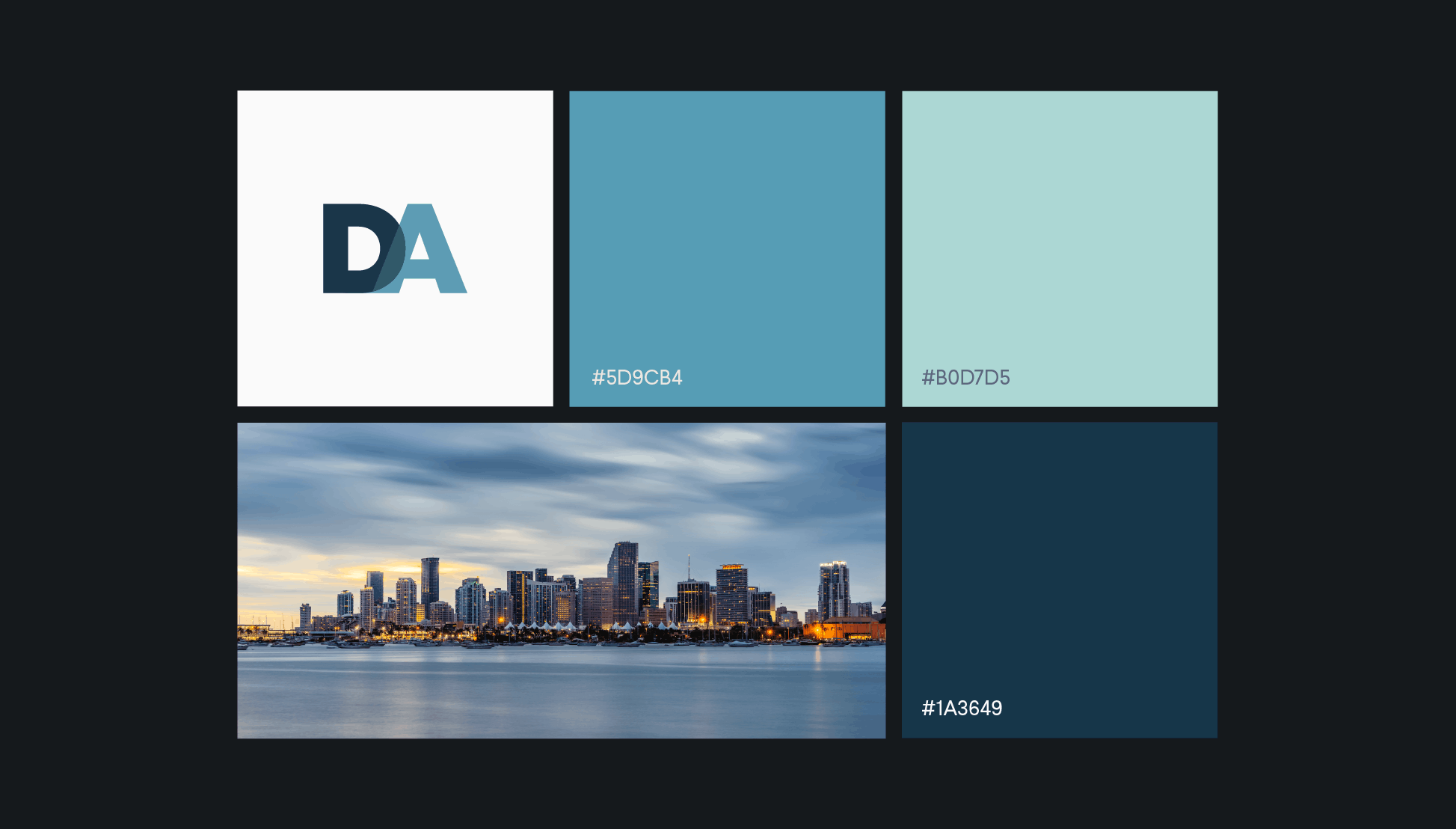
Color can evoke emotions, set perceptions, and influence consumer decision-making. It’s important to acknowledge the meanings of color and its psychology.

For example, warm colors (i.e., red and orange) are often linked to energy, passion, and harvest. In contrast, cool colors (i.e., blue and green) are commonly associated with calmness, trust, and responsibility.
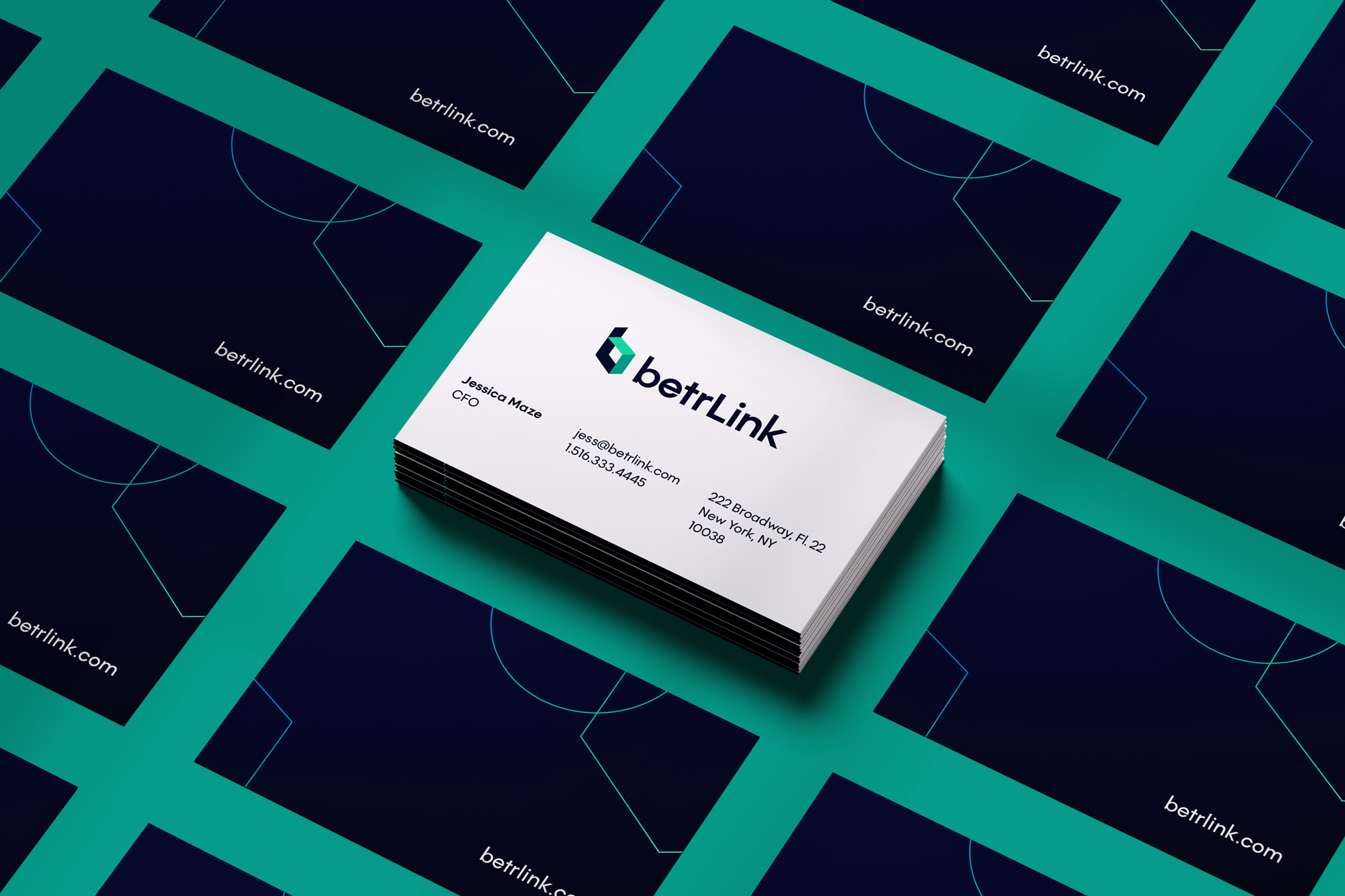
A brand focused on finance might use serene blues or greens, while a fast food brand might use vibrant reds, oranges, or yellows.
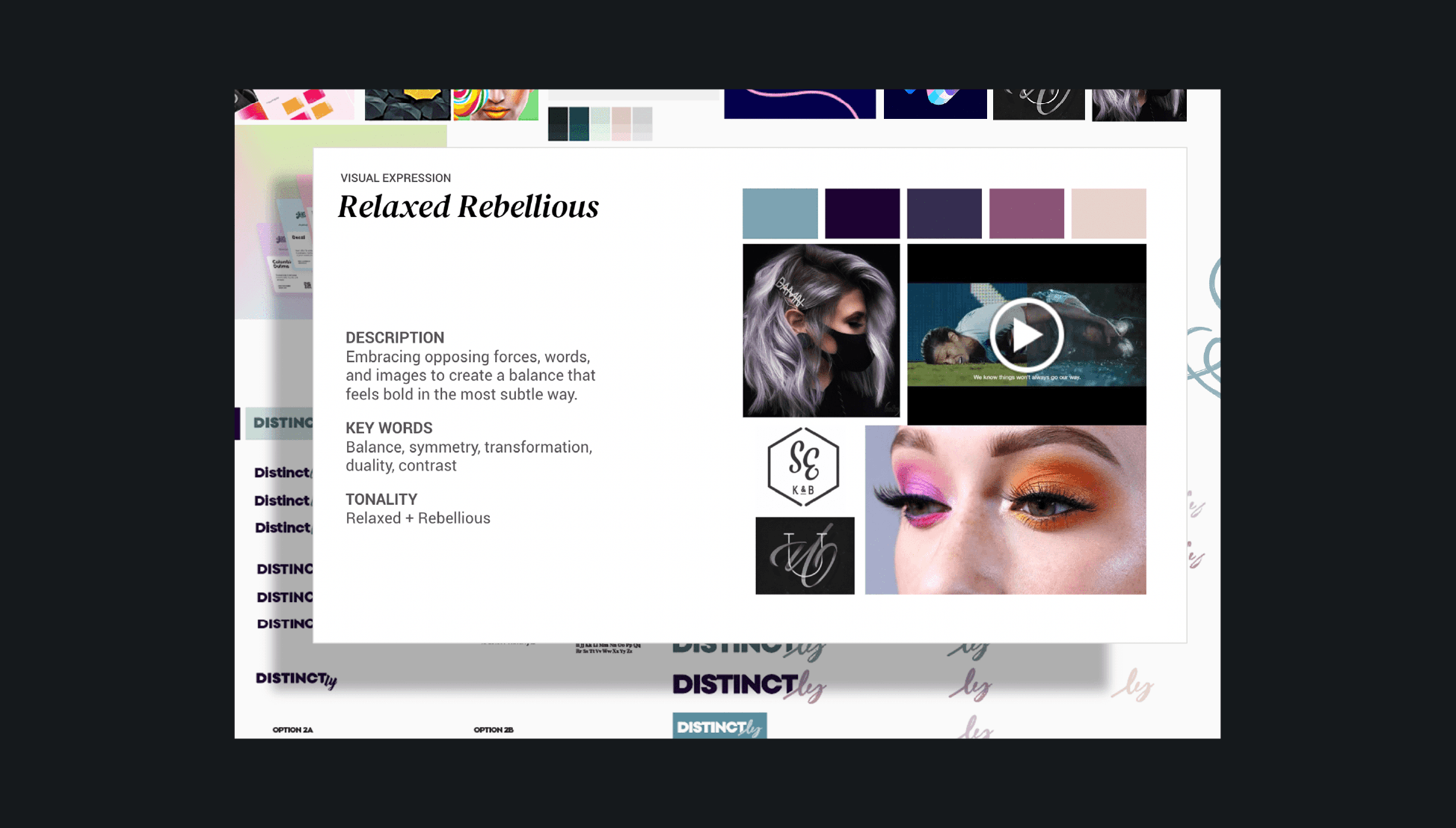
Creating a strategic color palette that aligns with a brand’s personality, target audience, and messaging is essential.
Color can directly influence the mood of your audience, and understanding color principles can help brands make more informed decisions about color.
Steph D’Aurio is the Creative Strategist and Founder of Human by Design. At Human by Design, we elevate brands by deeply understanding human behavior and crafting human-first design systems that resonate with our customers' audiences and modern culture. Learn more at humanbydesign.agency


